Germany Embraces 3D Printing for Green Circular Economy
3D Printing Drives Green Transformation in Germany's Circular Economy
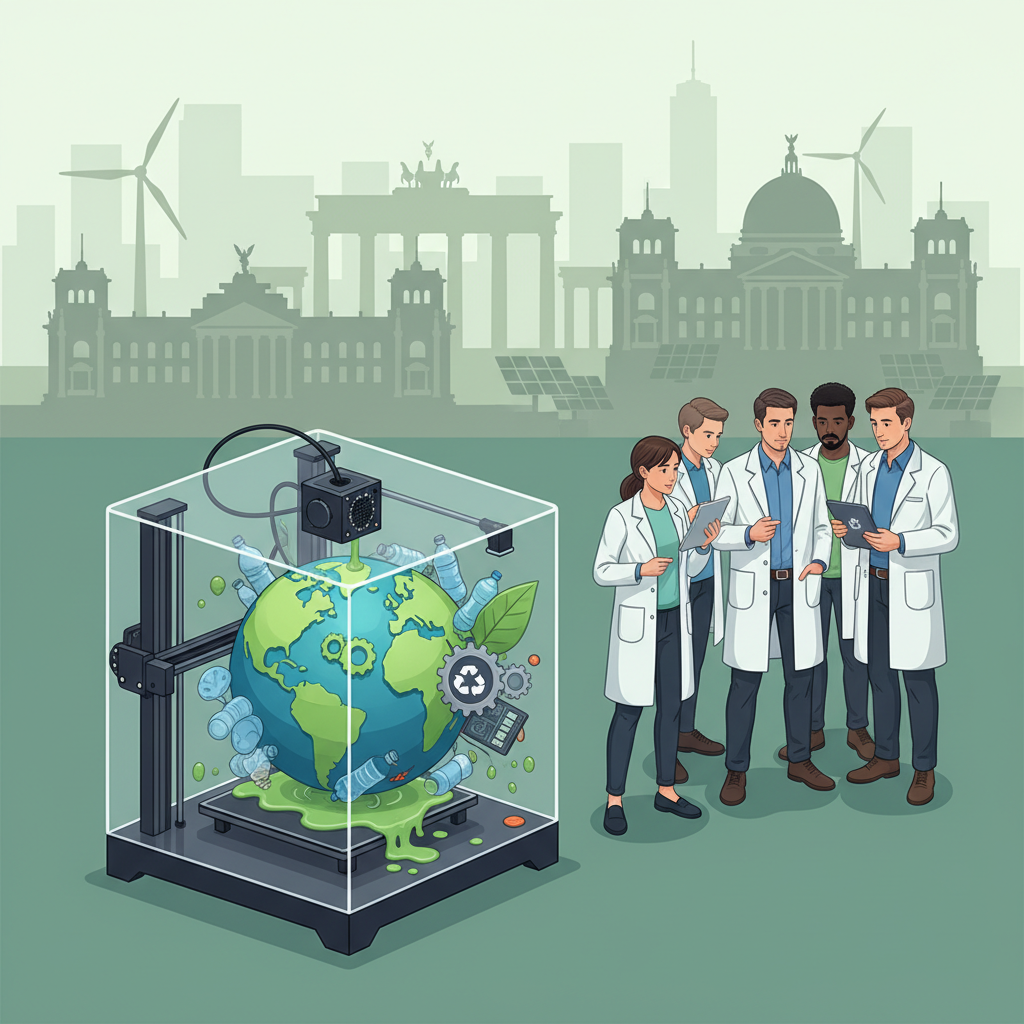
In a significant move towards greater sustainability, Germany and the wider DACH region are increasingly leveraging 3D printing, also known as additive manufacturing, to strengthen their circular economy initiatives. Recent developments highlight how this innovative technology is fostering green practices, from pioneering bio-based construction materials to combating the 'throwaway society' through on-demand production and waste reduction. This shift signals a clear pathway for businesses and individuals seeking more environmentally friendly and resource-efficient solutions.
Bio-Based Materials Revolutionise Construction
One of the most compelling examples of this green transformation comes from Willowprint, as highlighted by bioökonomie.de. This innovative company is actively making the construction industry more environmentally friendly by combining 3D printing technology with bio-based materials, specifically utilising Weidenpaste (willow paste). This approach not only introduces sustainable alternatives to conventional, resource-intensive building materials but also firmly aligns with circular-economy principles through material substitution and the use of local, renewable feedstocks.
The application of bio-based materials in industrial 3D printing services marks a crucial step forward. It demonstrates how the future of manufacturing can reduce ecological footprints, moving towards a world where the best filament for 3D printing is also the most sustainable. For those looking to buy PLA filament in Ireland, or other eco-conscious options, the focus on such materials underscores a global shift towards responsible consumption and production.
3D Printing Fights the Throwaway Society
Beyond construction, 3D printing is proving to be a powerful tool in the fight against disposable consumption patterns. A recent report from firmenpresse.de showcases a Swiss SME that has transitioned from IT services to becoming a key driver of the circular economy, using 3D printing to counteract the 'throwaway society'. This firm exemplifies how additive manufacturing enables crucial strategies such as increased repairability, efficient production of spare parts on demand, and localised manufacturing to reduce waste and minimise environmental impact.
For businesses, this translates into tangible benefits. The ability to produce custom 3D printed parts allows for rapid prototyping service, enabling quick iterations and reducing material waste during the design phase. Services like 3D scanning and 3D design are integral here, allowing for the precise recreation or modification of components for repair or improved functionality, furthering product development while embracing circular principles.
German Innovation and Waste-to-Value Strategies
Germany's commitment to innovation in this space is further underscored by institutions like Fraunhofer IKTS. Their ongoing research and development in 3D printing, including references to "Waste4Future," indicate a strong focus on waste-to-value initiatives. Such advancements are critical for transforming industrial waste into valuable resources, creating a more closed-loop system for manufacturing. This German-led innovation provides a blueprint for how advanced manufacturing can align with ecological goals, making processes more sustainable from conception to end-of-life.
Policy and Funding Bolster Sustainable Manufacturing
The broader German policy landscape also provides a supportive backdrop for the adoption of additive manufacturing in the circular economy. Initiatives like the Bundesförderung Industrie und Klimaschutz (BIK), which offers funding for CO2-arme Produktionsverfahren (low-carbon production processes) and investments in energy efficiency, indirectly boost the appeal of 3D printing. Additive manufacturing's ability to create lightweight parts, facilitate on-demand production to reduce inventory waste, and enable localised production to cut transport emissions perfectly aligns with these decarbonisation and industrial transformation goals. While direct 3D printing cost considerations are always present, the long-term efficiencies and environmental benefits make it an increasingly attractive option for custom prototype manufacturing and production.
What This Means for You
These developments in Germany highlight a clear global trend: 3D printing is not just a manufacturing method; it's a strategic enabler for a sustainable future. For individuals and businesses across the EU/EEA, including those in Dublin and throughout Ireland, this means greater access to eco-friendly solutions for their custom 3D printed parts, rapid prototyping needs, and innovative product development.
As your 3D printing partner, PrintIn3D.ie is committed to providing hassle-free access to these cutting-edge technologies. Whether you need custom 3D printing services, expert 3D design to bring your sustainable ideas to life, or a reliable 3d printer filament shop offering options like PLA, PETG, and even flexible TPU filament, we are here to support your green initiatives. Explore how our services can help you contribute to a more circular economy and print your 3D dreams sustainably.