Irish MedTech Advances with 3D Printing Innovations
Irish MedTech Embraces 3D Printing for Local Innovations
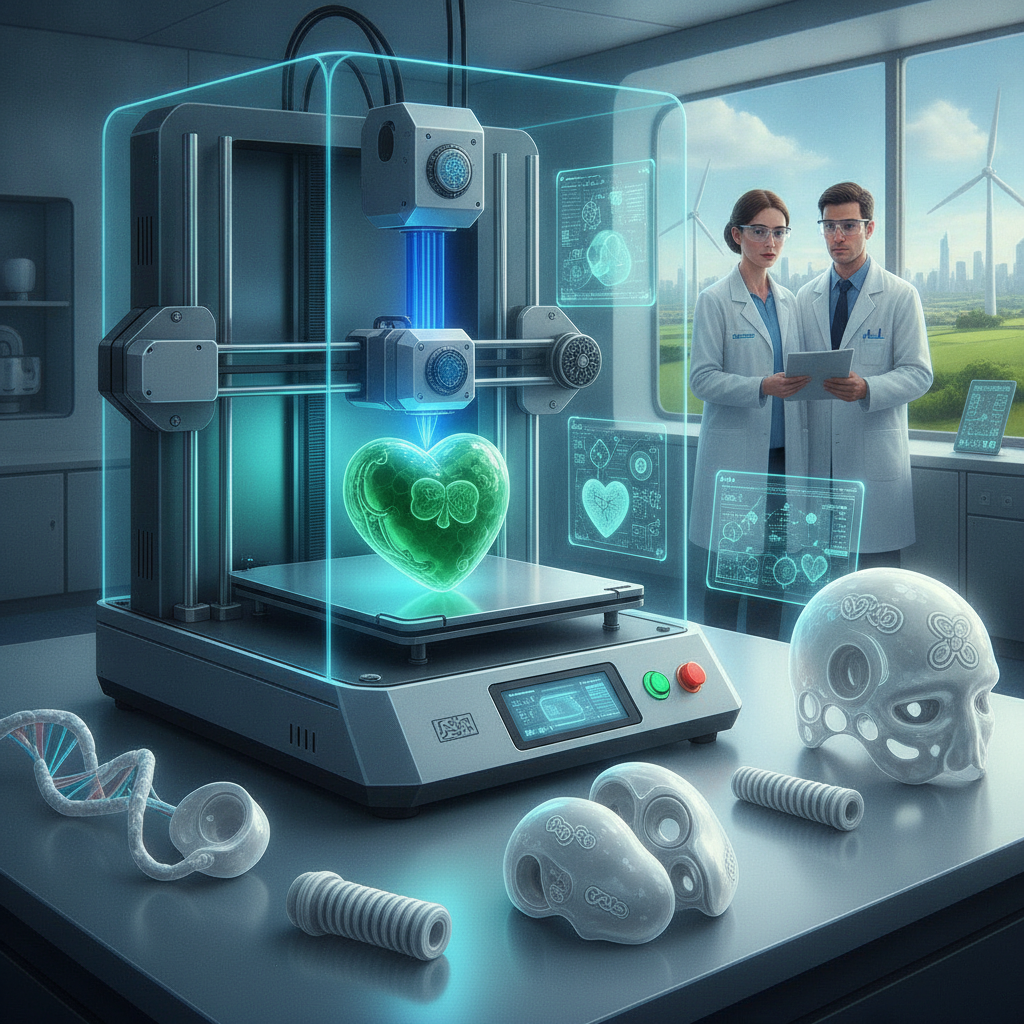
The landscape of medical technology in Ireland is being significantly reshaped by the adoption of 3D printing, marking a pivotal shift towards more personalised and precise healthcare solutions. While the broader MedTech sector globally is increasingly leveraging additive manufacturing for advanced applications, Ireland is witnessing its own strides, exemplified by companies like Limerick-based Croom Medical moving to produce patient-specific implants in-house. This strategic embrace of 3D printing technology is streamlining surgical planning, improving device customisation, and ultimately enhancing patient outcomes across the country and beyond.
Croom Medical Leads the Way with In-House Patient-Specific Implants
A key development highlighting Ireland's commitment to cutting-edge medical manufacturing comes from Croom Medical in Limerick. Reports indicate that the company has begun producing patient-specific implants directly at its Limerick facility. This move signifies a crucial step away from relying on external suppliers, allowing for greater control over quality, faster turnaround times, and more tailored solutions for individual patients. Such in-house capabilities are vital for the rapid development and deployment of bespoke medical devices, setting a precedent for other Irish medical technology firms.
The ability to create patient-specific implants locally addresses a critical need within healthcare for custom solutions that perfectly match a patient's unique anatomy. This precision not only improves the fit and function of implants but also contributes to better surgical predictability and reduced recovery times. It's a testament to the growing recognition within the Irish MedTech sector that custom 3D printing services Ireland are not just an advantage, but a necessity for the future of patient care.
Revolutionising Surgical Planning with Advanced 3D Models
Beyond implants, 3D printing is transforming the preparatory stages of complex medical procedures. The integration of 3D technology into preoperative planning offers surgeons an unprecedented level of insight and preparation. Companies like Materialise are at the forefront, utilising preoperative 3D planning alongside 3D-printed surgical guides, splints, and plates. This approach significantly improves predictability and can drastically reduce time spent in the operating room.
Imagine a surgeon preparing for a complex procedure, holding a precise, life-sized "patient-specific anatomical model" created by an ultrafast, automated 3D printing system, as highlighted by Meteora3D. These highly accurate models allow surgeons to visualise and practice intricate procedures before stepping into the operating theatre. This hands-on experience with an exact replica of the patient’s anatomy helps to "reduce uncertainties in the OR" and enhance overall workflow efficiency. For a 3D design and prototyping company, the opportunities to support this vital sector are immense.
The benefits extend to various medical specialities, from orthopaedics and craniofacial surgery to complex tumour removal. By providing tangible, accurate representations, 3D printing allows medical professionals to:
- Develop more precise surgical strategies.
- Anticipate potential challenges and devise solutions proactively.
- Customise surgical guides and tools for optimal accuracy.
- Improve communication with patients and their families by showing them the exact nature of their condition and the planned intervention.
The Broader Impact: From Prototypes to Replacement Parts
The rise of 3D printing in Irish MedTech also underscores a broader trend towards rapid prototyping service Ireland. The medical field constantly requires new instruments, improved designs, and efficient testing cycles. Additive manufacturing provides the ideal solution for quickly iterating on designs for custom prototype manufacturing Ireland, allowing for faster development of devices and instruments. Furthermore, the demand for a 3d printed replacement parts service in medical equipment maintenance and upgrades is also seeing significant growth.
For businesses and innovators needing these advanced capabilities, services like 3D scanning play a crucial role. The ability to perform a 3D scan to CAD conversion means that physical objects – be they existing medical tools, anatomical models, or even damaged parts – can be digitised and then reproduced, modified, or scaled with extreme precision. This synergy between 3D scanning, design, and printing is essential for driving innovation in Irish MedTech.
What This Means for Irish Innovation
The increasing adoption of 3D printing within Irish MedTech signals a robust and forward-thinking approach to healthcare innovation. For individuals and businesses across Ireland, this means access to increasingly sophisticated and customised medical solutions. As your trusted 3D printing partner, we understand the critical role that precision, speed, and customisation play in fields like MedTech. Whether you're an innovator seeking a rapid prototyping service, a medical professional needing bespoke surgical guides, or a business requiring expert 3D product design services Ireland, we are here to help bring your vision to life. Explore our services today to see how we can support your next pioneering project.